 Search


- Morocco is seeking investment from around the world to develop new projects, achieve 2030 renewable energy plan
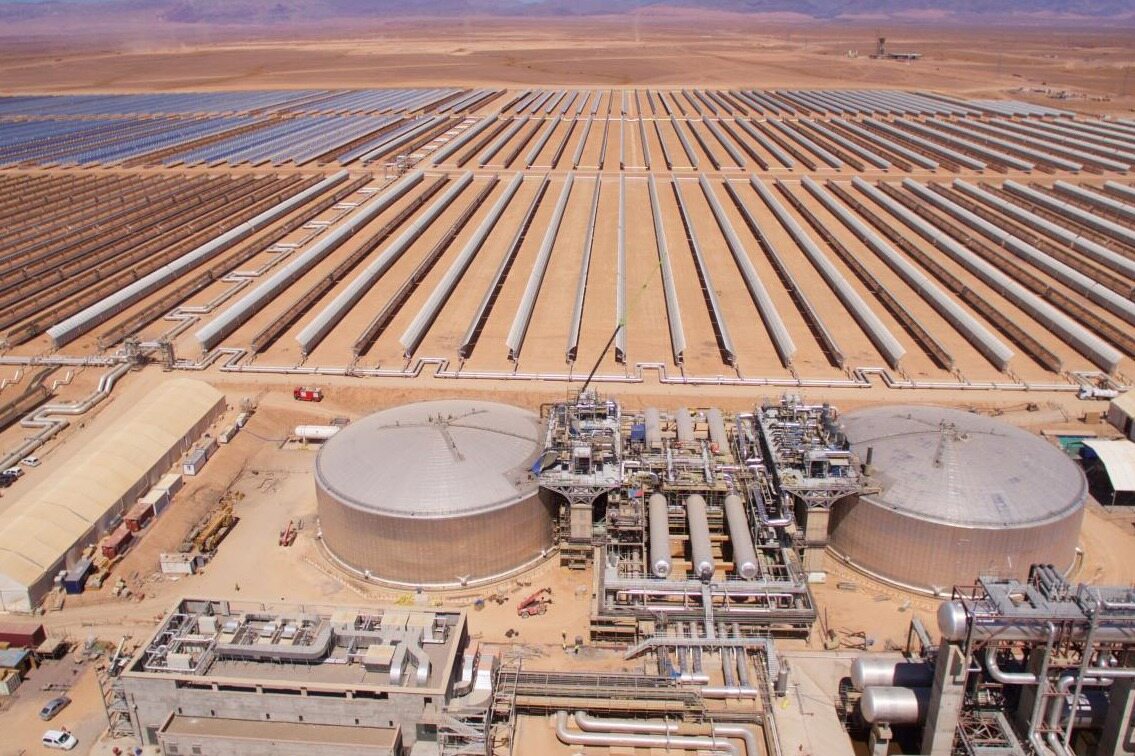
Morocco aims to increase its renewable energy capacity to 12 gigawatts by 2030, and the North African country continues to develop new projects to meet its growing electricity needs and strengthen its clean energy capacity. The country will increase its renewable energy capacity from the current 5 gigawatts over the next eight years. By then, renewables will make up 52% of the total energy mix, up from 40% today.
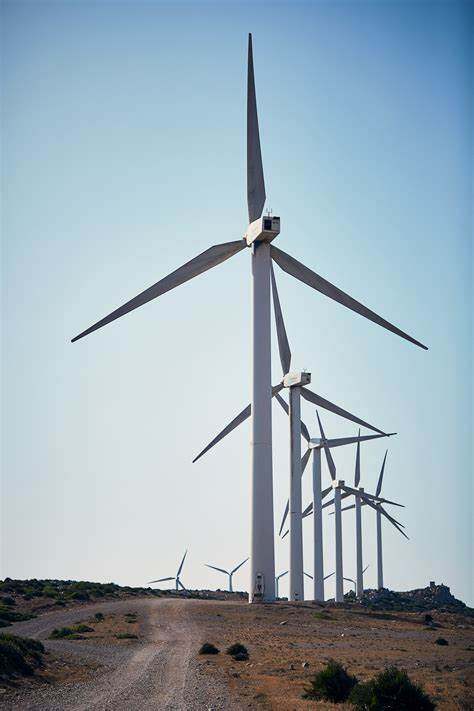
Morocco's Director-General of Energy Efficiency said Mullin: "There is a lot of investment today in the development of renewable energy projects in different parts of the country. We have the most competitive wind and solar resources and that's why we are investing heavily in renewable energy. Prices are very low, less than 3 cents per kWh for wind and 2 to 3 cents for solar PV.” The total investment in new renewable energy projects will be in the billions of dollars.
More than 90% of Morocco's energy needs to be imported, and it is one of the first countries in the Middle East and North Africa to adopt renewable energy. It has also attracted investments from Emirati companies such as Masdar. Abu Dhabi Clean Energy, in partnership with the National Office of Electricity and Drinking Water, has established a solar home system project to provide energy to nearly 20,000 households in more than 1,000 rural towns in Morocco.
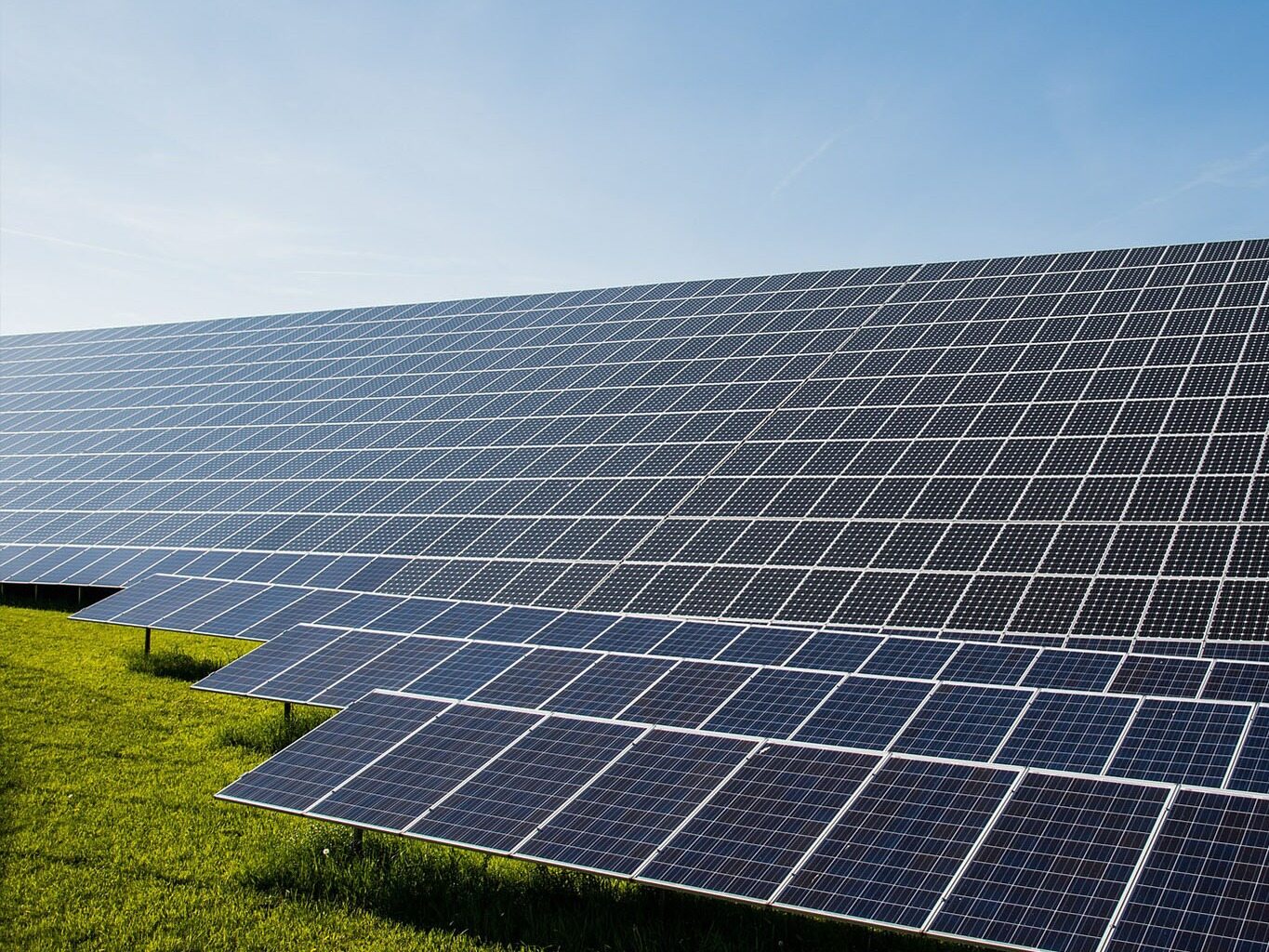
Masdar is also part of an international consortium that won a tender to build an 800-megawatt solar power plant in Morocco. Together with French EDF Renewables and Greenof Africa in Casablanca, Masdar is building an 800 MW NoorMidelt solar power plant in Morocco.
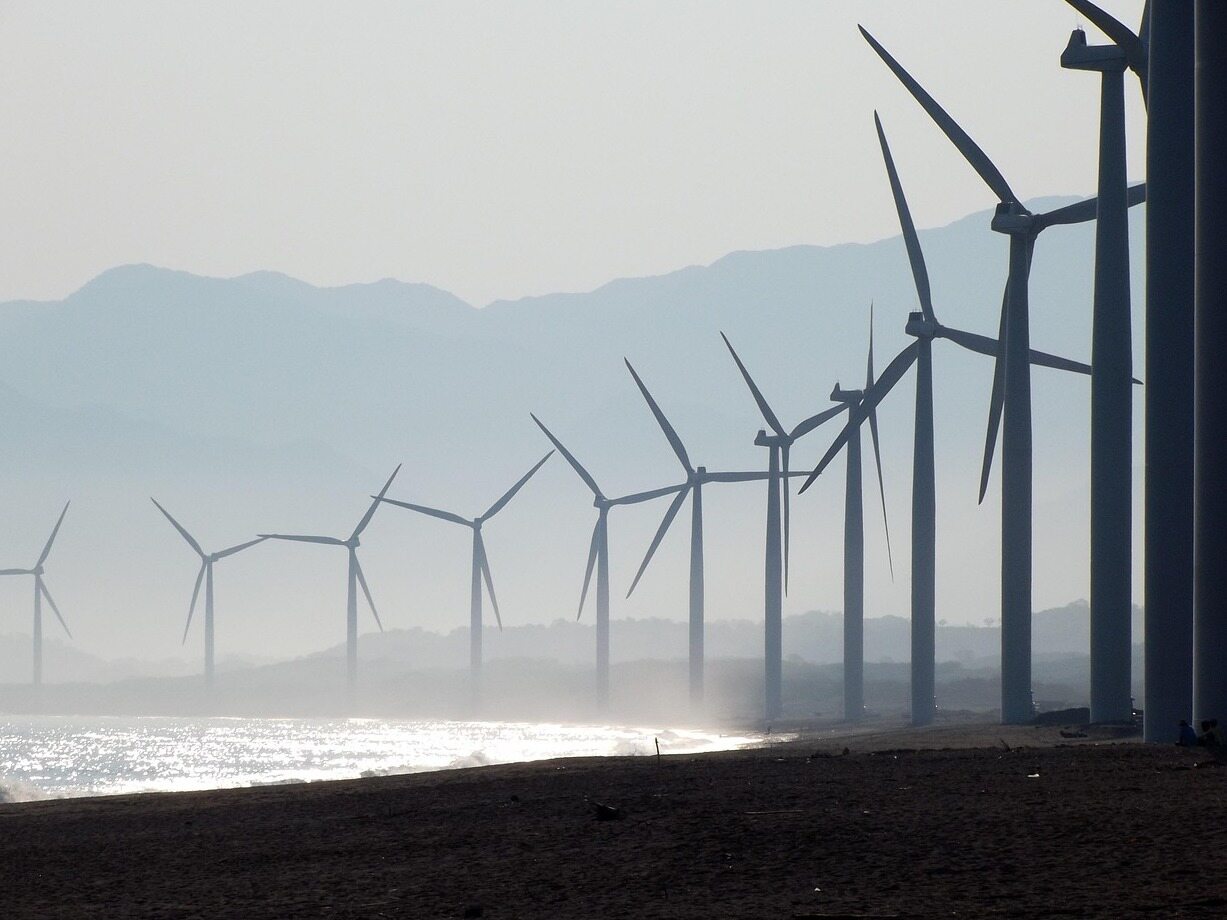
Morocco is seeking investment from around the world to develop new projects, Mr Mouline said. The last time we bid for a wind power project, we had 19 teams competing. Finally we have 3 companies working on infrastructure. "
Dubai-based AMEA Power recently won a contract to build two solar power plants in Morocco. The solar projects were awarded to AMEA Power to build multi-site solar as part of a large international tender launched by the Moroccan Agency for Sustainable Energy (Masen) and the Ministry of Energy Transition and Sustainable Development. The first phase of Noor PV II has a project capacity of 330MW.
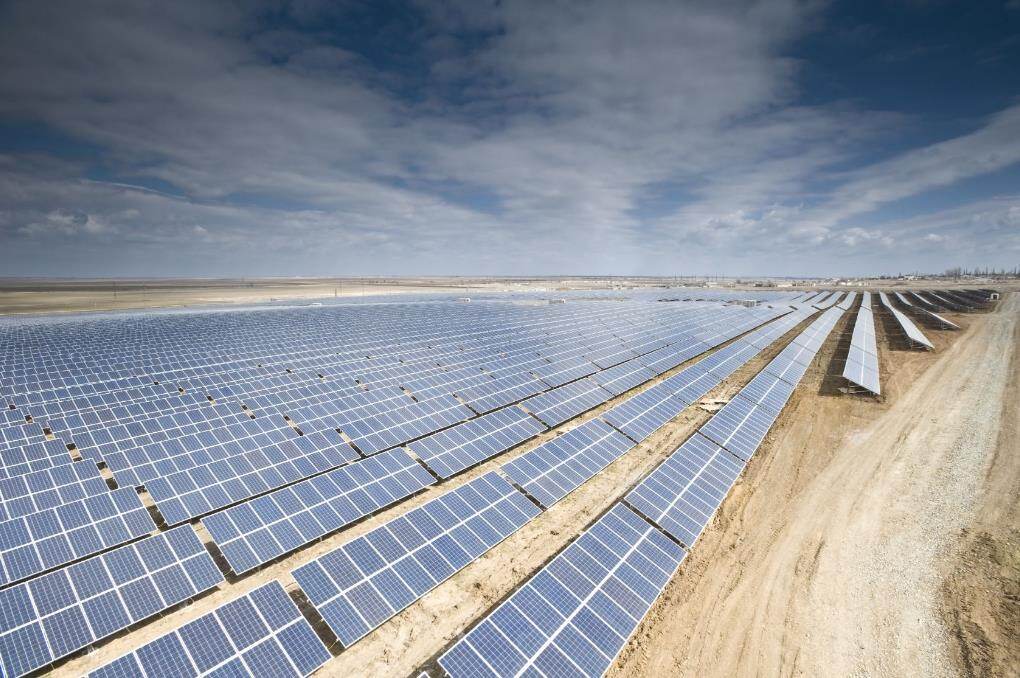
Many resource-rich Middle Eastern countries are also investing in boosting their renewable energy capacity as they look to free up crude oil for export and reduce carbon emissions. The UAE, OPEC's third-largest oil producer, aims to be carbon neutral by 2050 and plans to invest $163.5 billion in clean and renewable energy over the next three decades. Abu Dhabi, which accounts for most of the UAE's oil production, is building the world's largest solar power plant with a capacity of 2 GW in Al Dhafra, while Dubai is building the world's largest solar park to reduce its reliance on natural gas and make it Diversified power sources. Keywords: engineering construction, engineering news
The Mohammed bin Rashid Solar Park is expected to generate 5,000 megawatts of electricity by 2030 and drive investments of up to AED50 billion. Saudi Arabia, the Arab world's largest economy, is also building new renewable energy projects aimed at becoming carbon neutral by 2060. Jordan, Egypt and Oman are also ramping up investments in renewable energy.Editor/XingWentao
Comment

 Praise
 Collect
 Comment

 Share
Share


Write something~