 Search


- China's plan to promote the transformation of the global economic and trade order towards inclusive and win-win outcomes
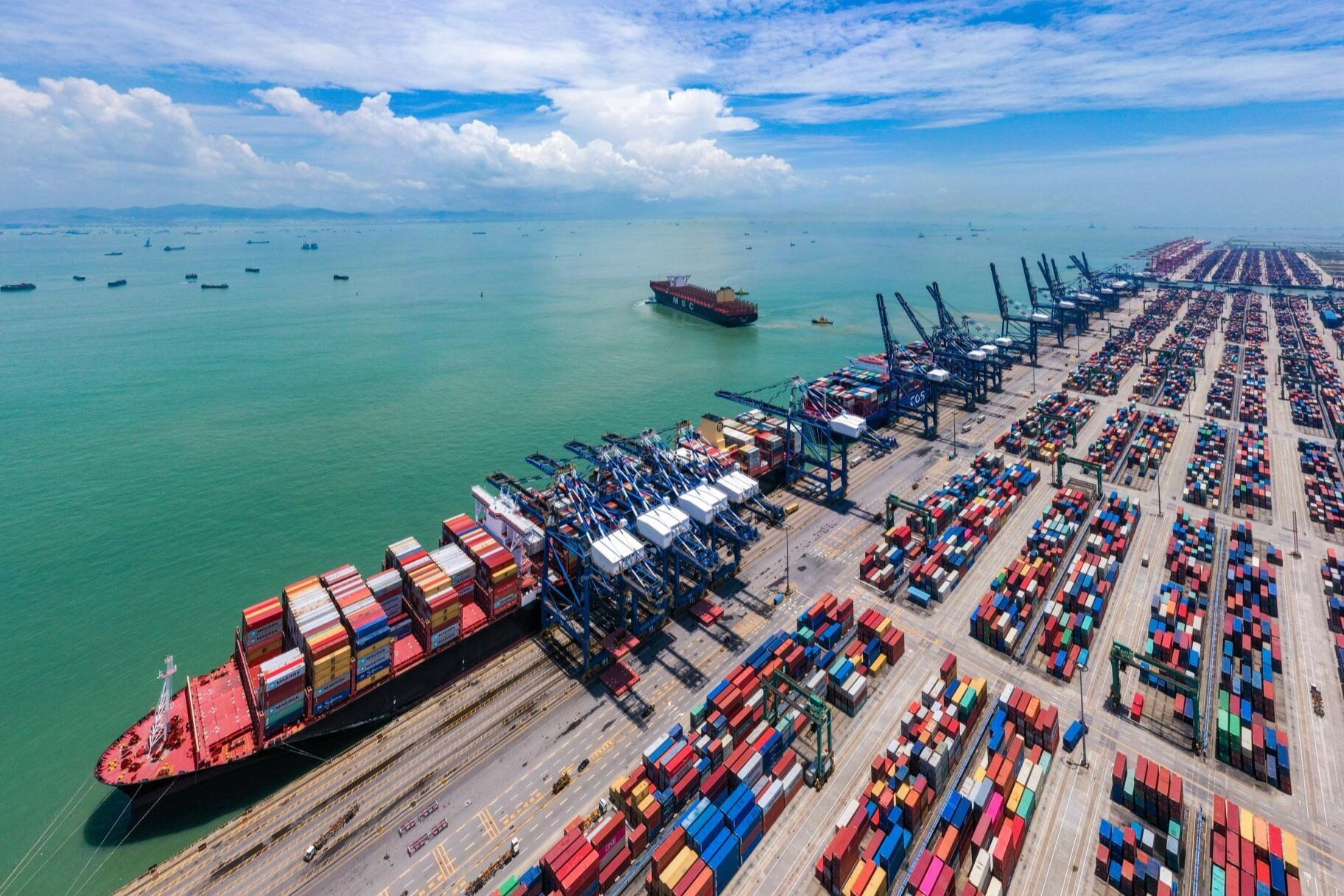
Faced with the dilemma of the rise of unilateralism and the failure of traditional multilateral rules, China, based on more than 10 years of practice of jointly building the the Belt and Road, has handed over an answer sheet to reconstruct the global economic and trade order - this is not a repair to the old system, but a rule innovation with the core of joint consultation, joint construction and sharing, which has injected certainty into the turbulent world economy.
The imbalance of traditional rules urgently needs to be broken
For a long time, international economic and trade rules have been dominated by a few industrialized economies, and strict market access, green barriers, and technological barriers have made it difficult for developing countries to compete in the global division of labor.
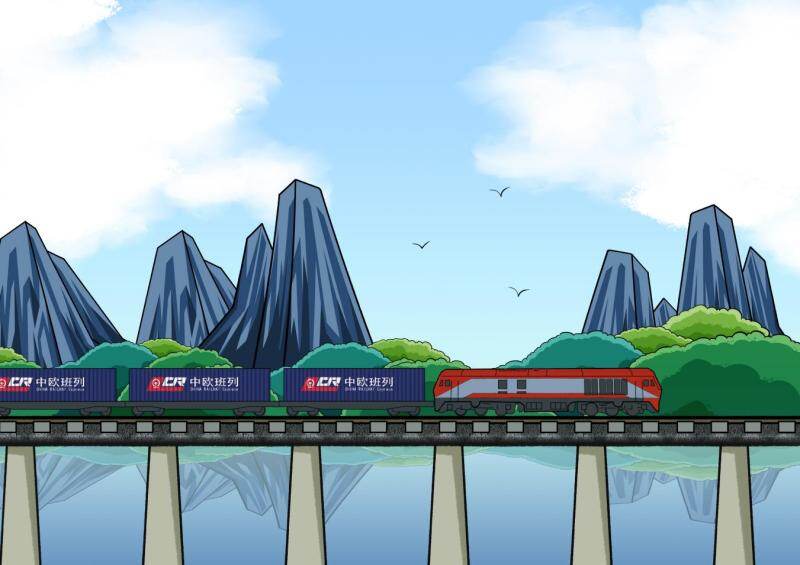
Geopolitical conflicts and industrial chain restructuring have led to frequent unilateral sanctions, causing the multilateral trading system to stagnate. The world urgently needs a more equitable and inclusive governance system, and the Belt and Road Initiative is China's solution to this pain point - it rejects unilateral export of rules, advocates equal consultation among countries, and opens up a new path for the iteration of international economic and trade rules.
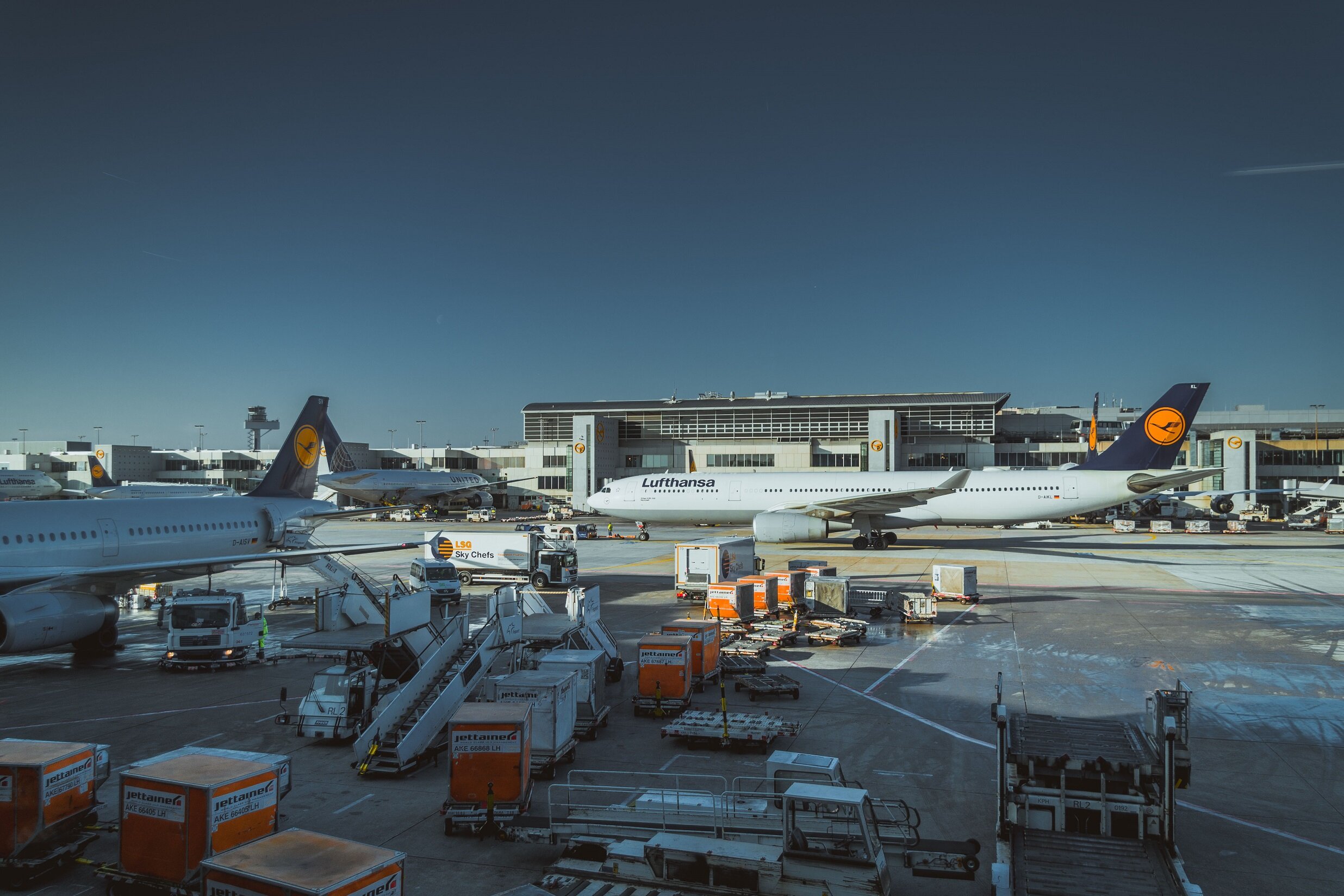
Building a multi-dimensional rule framework for China Software Connect
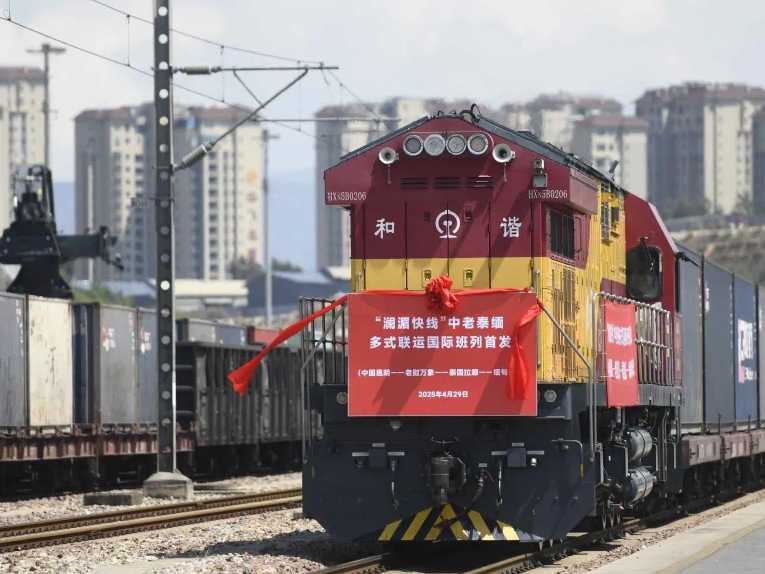
Relying on the practice of connectivity, the the Belt and Road promotes the "soft connectivity" of economic and trade systems from three dimensions: in the field of trade facilitation, AEO mutual recognition, single window and other systems simplify the customs clearance process, and RCEP and the the Belt and Road jointly release regional trade potential; At the level of investment rules, the AIIB and the the Silk Road Fund support cross-border investment guidelines that take into account both returns and risks, and abandon short-term predatory development; In terms of standard interoperability, the technical standard docking of cross-border infrastructure, digital trade, and green energy has broken down technical barriers and filled the gap in global low-carbon and digital economy rules. Keywords: strategic news and information, trade
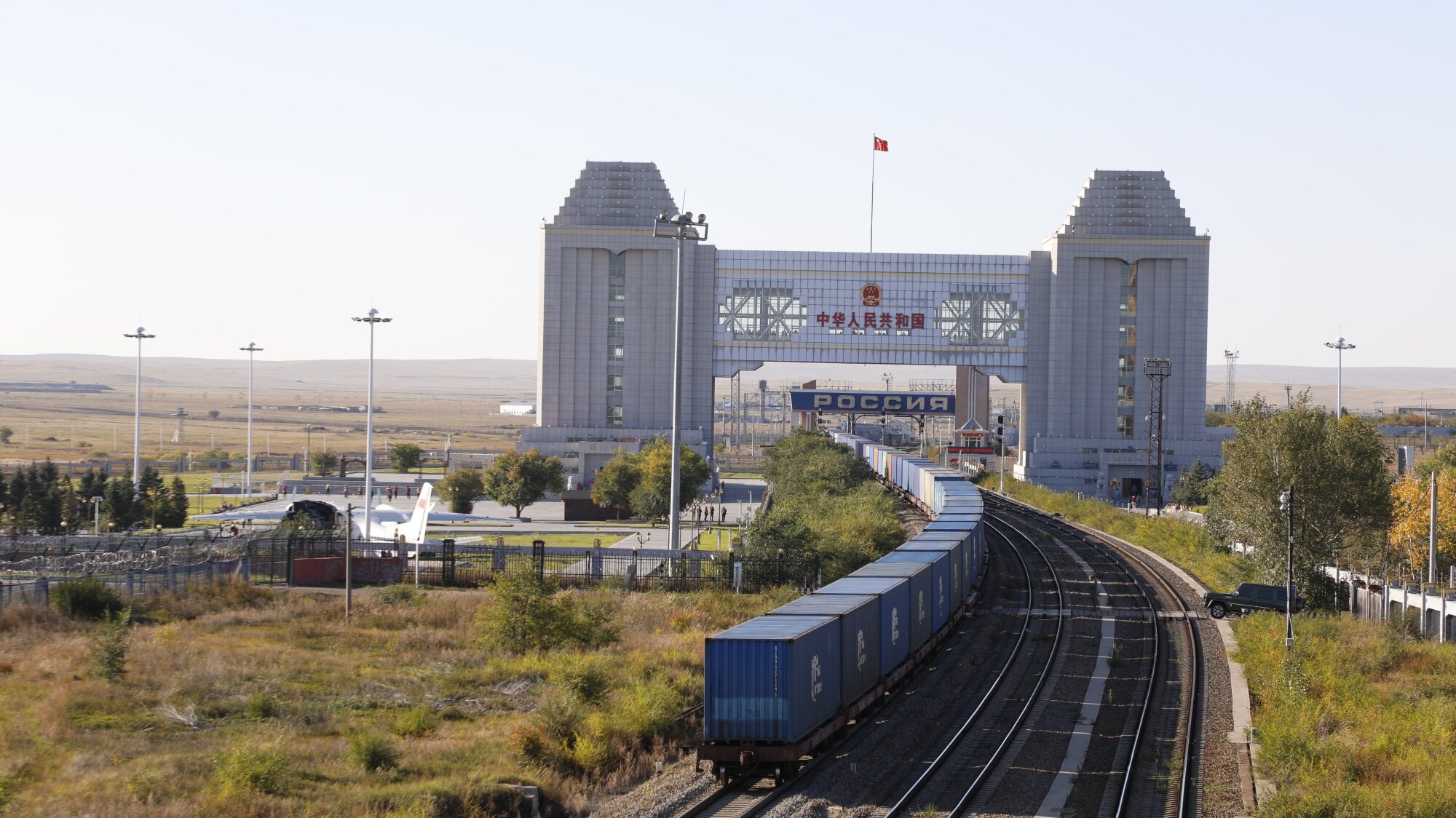
Rule symbiosis promotes the advancement of global governance
The rule innovation of the the Belt and Road is not only about regional cooperation, but also about global governance. It firmly upholds the multilateral trading system, promotes the WTO rules to keep pace with the times, and enhances the voice of developing countries in economic and trade issues. In 2026, the third-party market cooperation mechanism will be further improved, the rules in the green and digital fields will continue to be refined, the policy docking between countries will be deepened, and a set of institutional systems covering the entire industry chain is taking shape. This paradigm, derived from pragmatic cooperation, provides a replicable practical path for the stable recovery of the global economy.Editor/Gao Xue
Comment





 Praise
 Collect
 Comment

 Share
Share


Write something~