 Search


- Saudi Arabia leads with 5.7GW, and the core logic of transformation is to sell burned oil
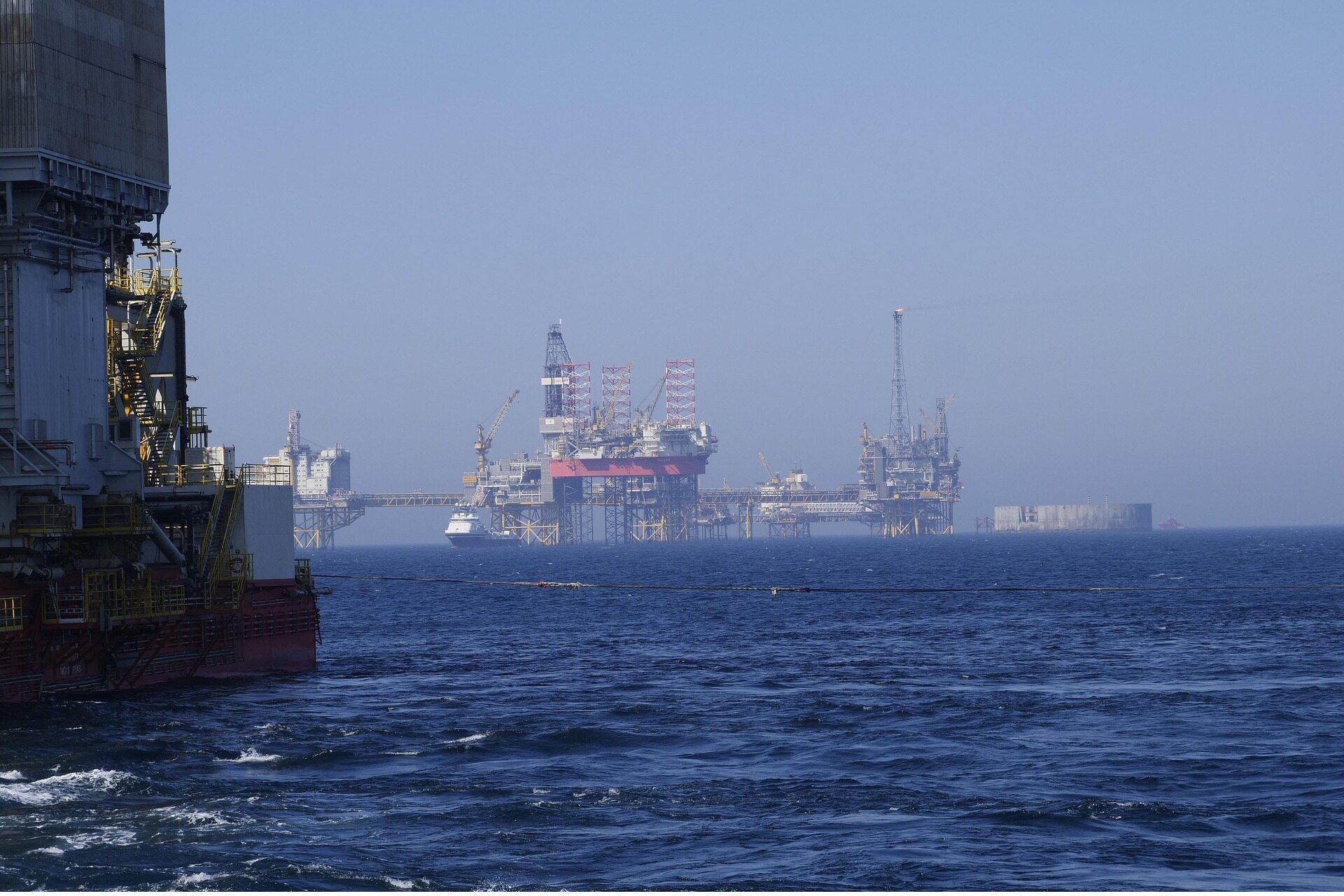
When the world is still discussing whether Arab countries should transform, numbers have already given the answer. The latest annual report of the Arab Energy Organization shows that in 2025, member countries will add about 10.3GW of renewable energy installed capacity, a year-on-year increase of 35.9%, and a cumulative total of 39.2GW. The growth rate is astonishing, but it only accounts for 0.8% of the global 5149GW total installed capacity - starting fast and the chassis is still small.
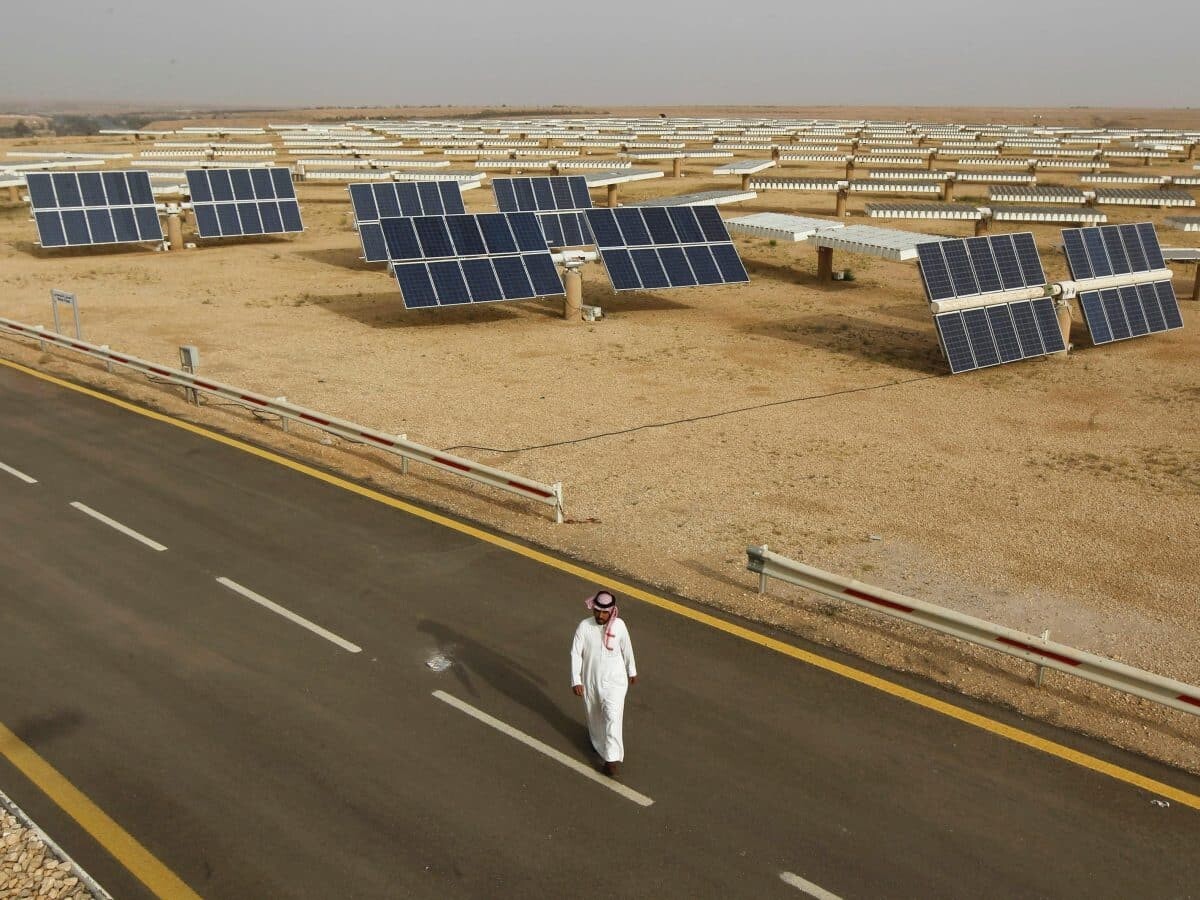
Saudi Arabia contributes more than half of the increase in solar energy
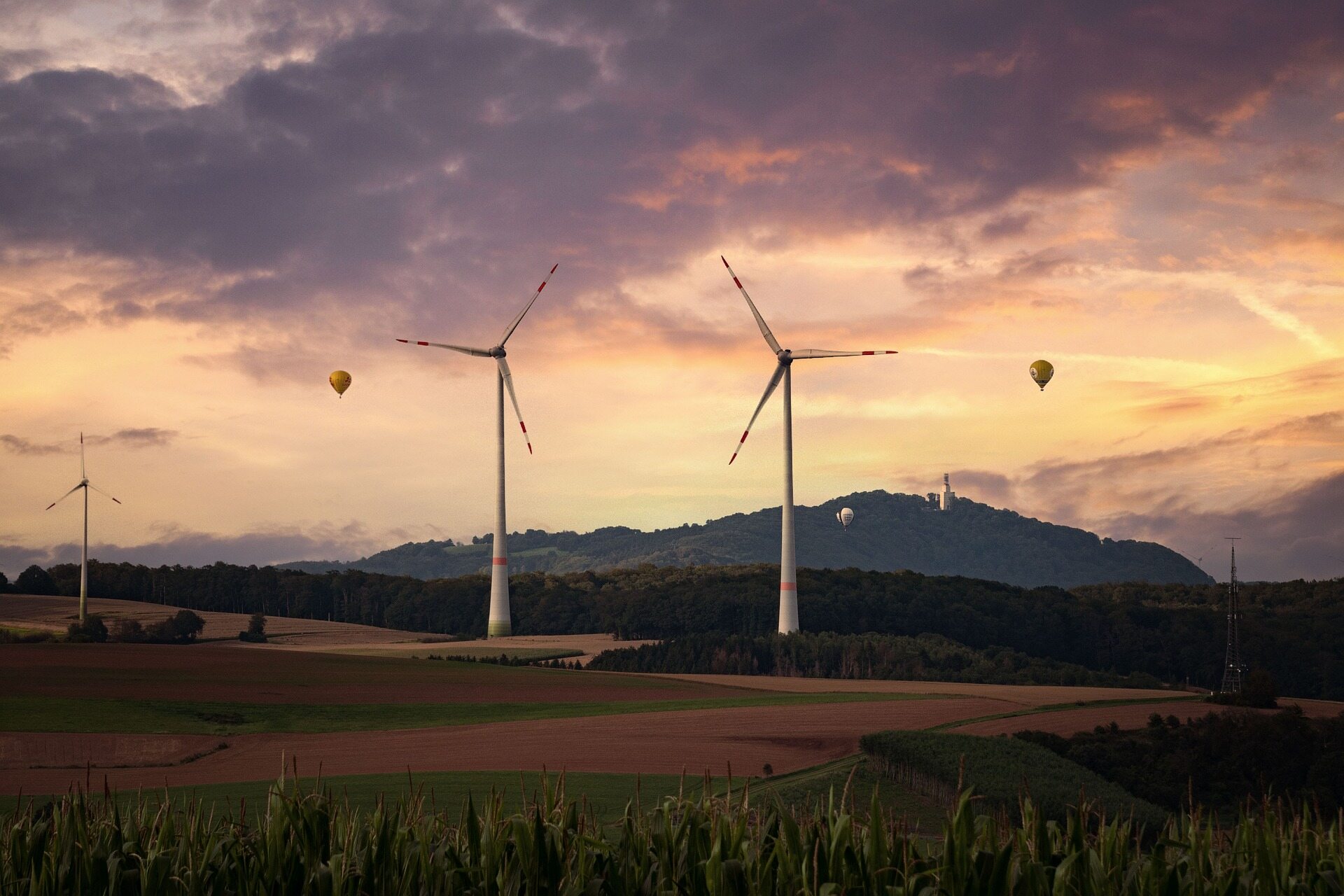
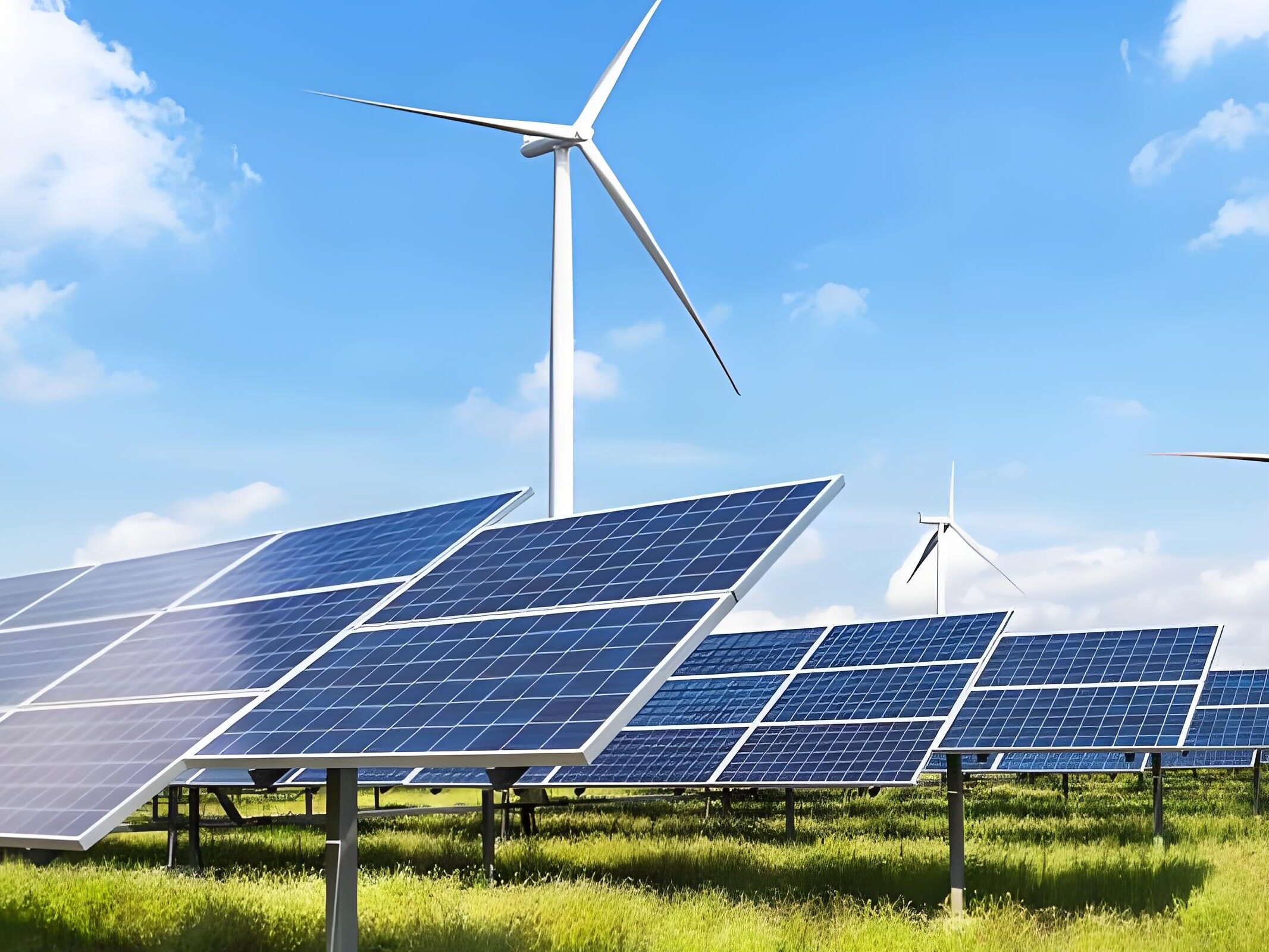
Clear distribution of new production capacity: Saudi Arabia leads with 5.7GW, contributing more than half of the increase; Egypt 1.5GW, UAE 1.3GW, Qatar 0.9GW, Syria 0.7GW, Tunisia 0.1GW, Bahrain 0.05GW will follow suit in sequence. Structurally, solar energy dominates at 72.3%, followed by hydropower at 16.9%, wind power at 9.7%, and biomass energy at only 1.1%. Hydropower is concentrated in water rich countries such as Egypt, Iraq, and Syria, while wind power has a certain layout in Egypt and Jordan.
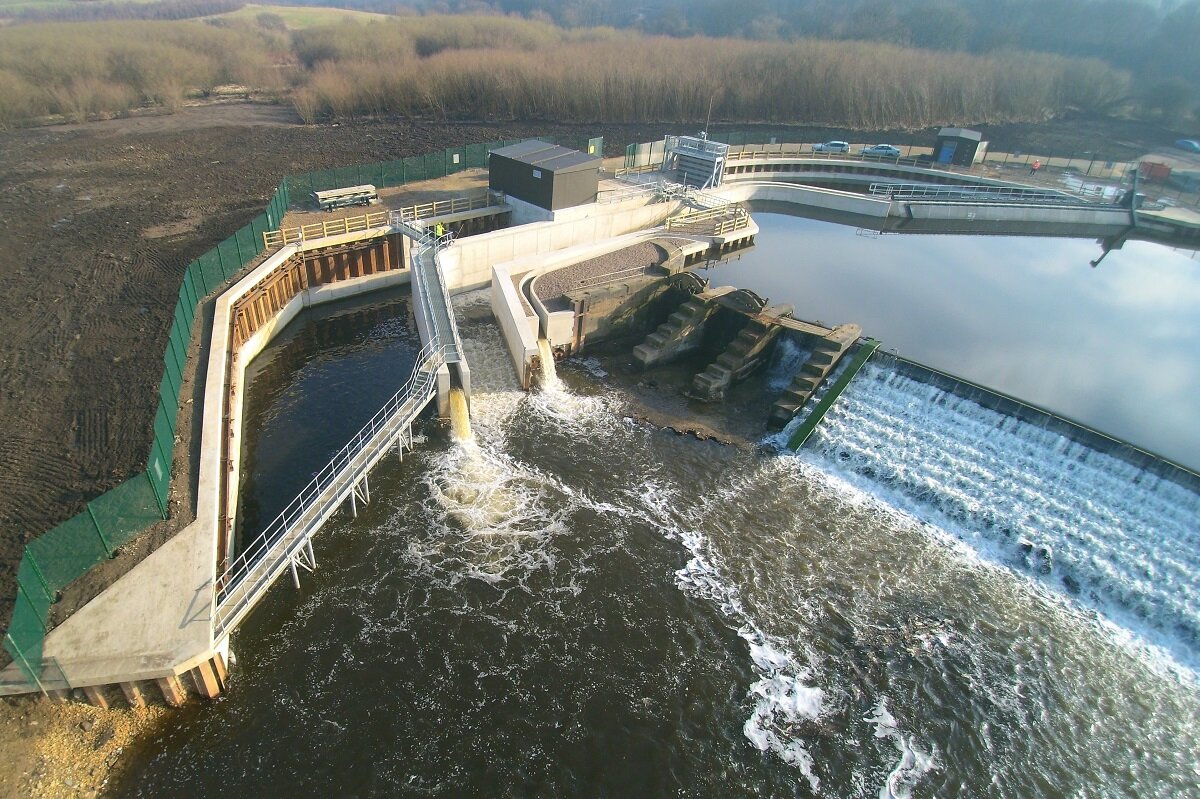
Sell the burnt oil
Arab countries are promoting renewable energy, which appears to be carbon neutral on the surface but is essentially an economic account. Liberate the oil originally used for power generation and export it to stabilize the finances amidst fluctuations in oil prices. More importantly, cheap clean electricity is incubating new industries - the 4GW green hydrogen project supporting the Saudi NEOM New City is nearing completion, and the UAE and Saudi Arabia are laying out AI data centers on a large scale, using newly added green electricity. Renewable energy is not a substitute here, but the foundation of the new economy.
Oil and gas will not retire, but their roles are changing
DNV and other institutions predict that the role of natural gas as a base load power source will remain at least until after 2040, and the replacement of fossil fuels by renewable energy will be a gradual process. In the short term, the addition of green electricity mainly meets the demand for new electricity, rather than replacing existing fossil fuels. Keywords: Middle East news, Middle East energy transition
The energy future of Arab countries is a fast lane dominated by solar energy, with energy storage and grid as key supporting factors. The ultimate goal of this transformation is not to bid farewell to oil, but to sell every barrel of oil at a higher price.Editor/Cheng Liting
Comment

 Praise
 Collect
 Comment

 Share
Share


Write something~