 Search


- Innovative fields such as energy storage and AI are opening up a new investment window in Central Asia

Ruslan Dalenov, Vice Chairman of the Board of Directors of the Eurasian Development Bank, announced at the bank's annual meeting that by 2030, the total investment demand of the five Central Asian countries in core areas such as energy, transportation, and water resources will reach at least 251 billion US dollars. Behind this massive funding demand is the long-term investment opportunity that Central Asia continues to unleash.
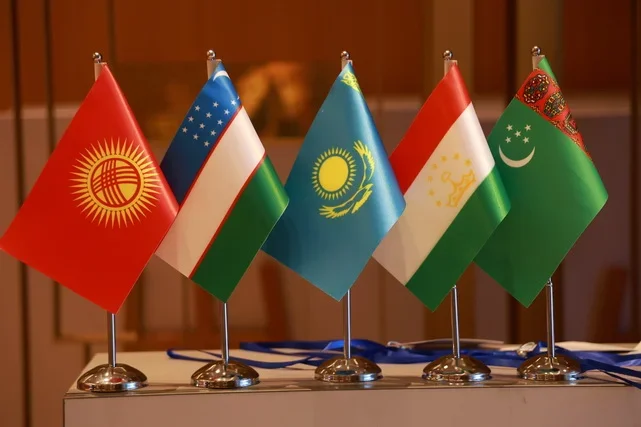
At present, the total population of the five Central Asian countries has reached 83 million, and the regional GDP has exceeded 566 billion US dollars, making it one of the fastest growing regions in the world economy. In the past decade, local manufacturing investment has doubled directly, with a total scale of 113 billion US dollars, and the foundation for industrial upgrading has gradually been built.
There is still a gap of billions in the traditional infrastructure sector
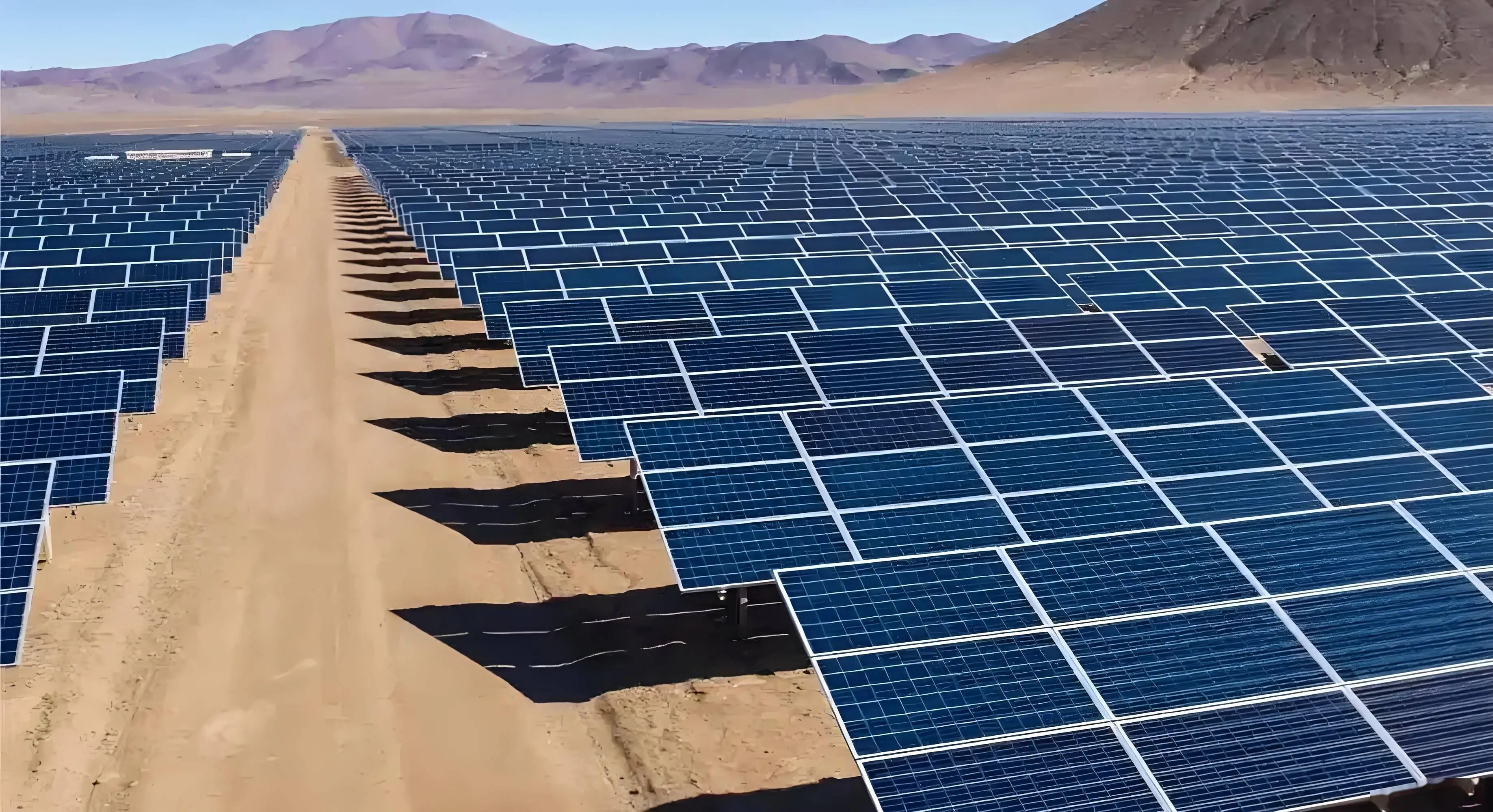
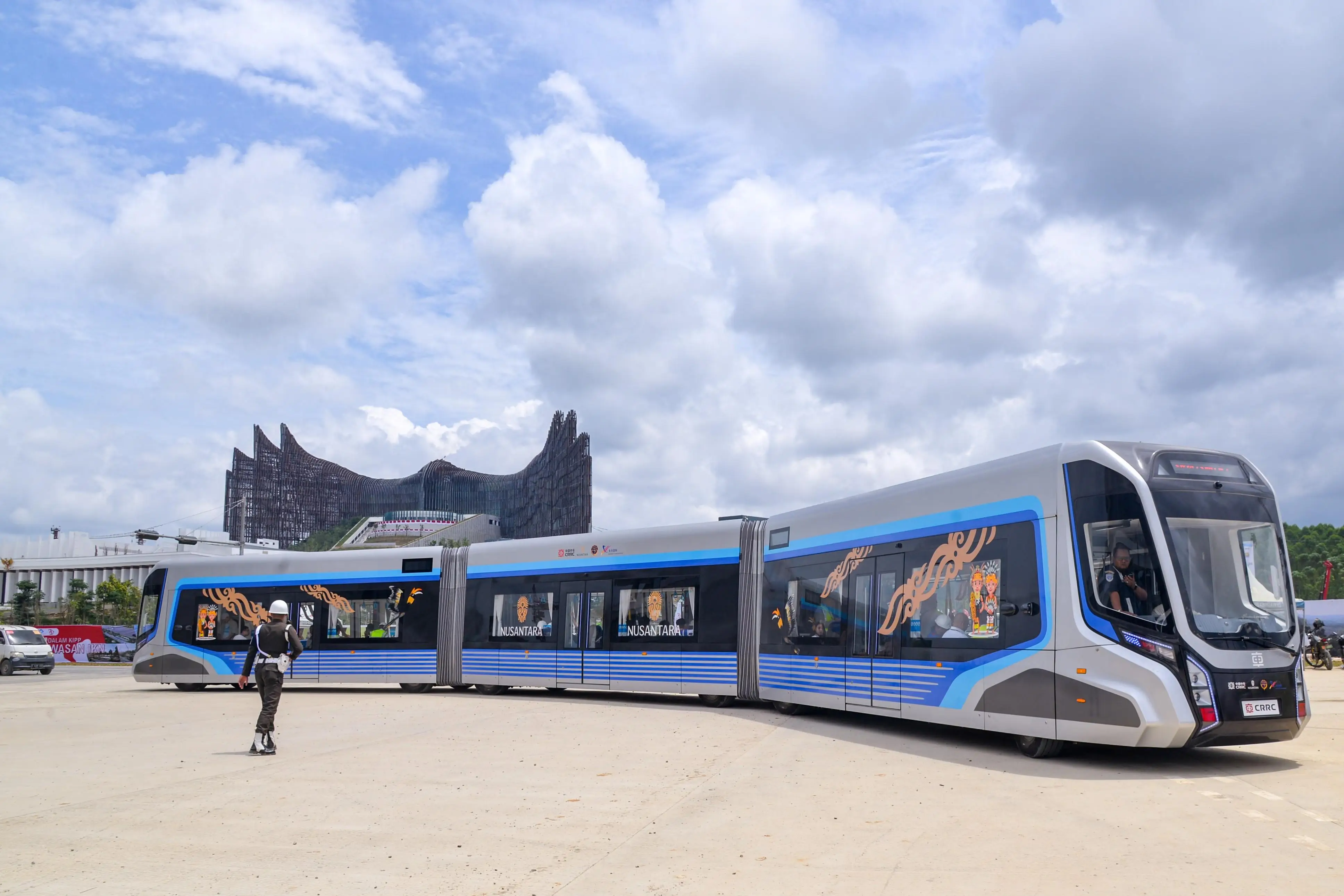
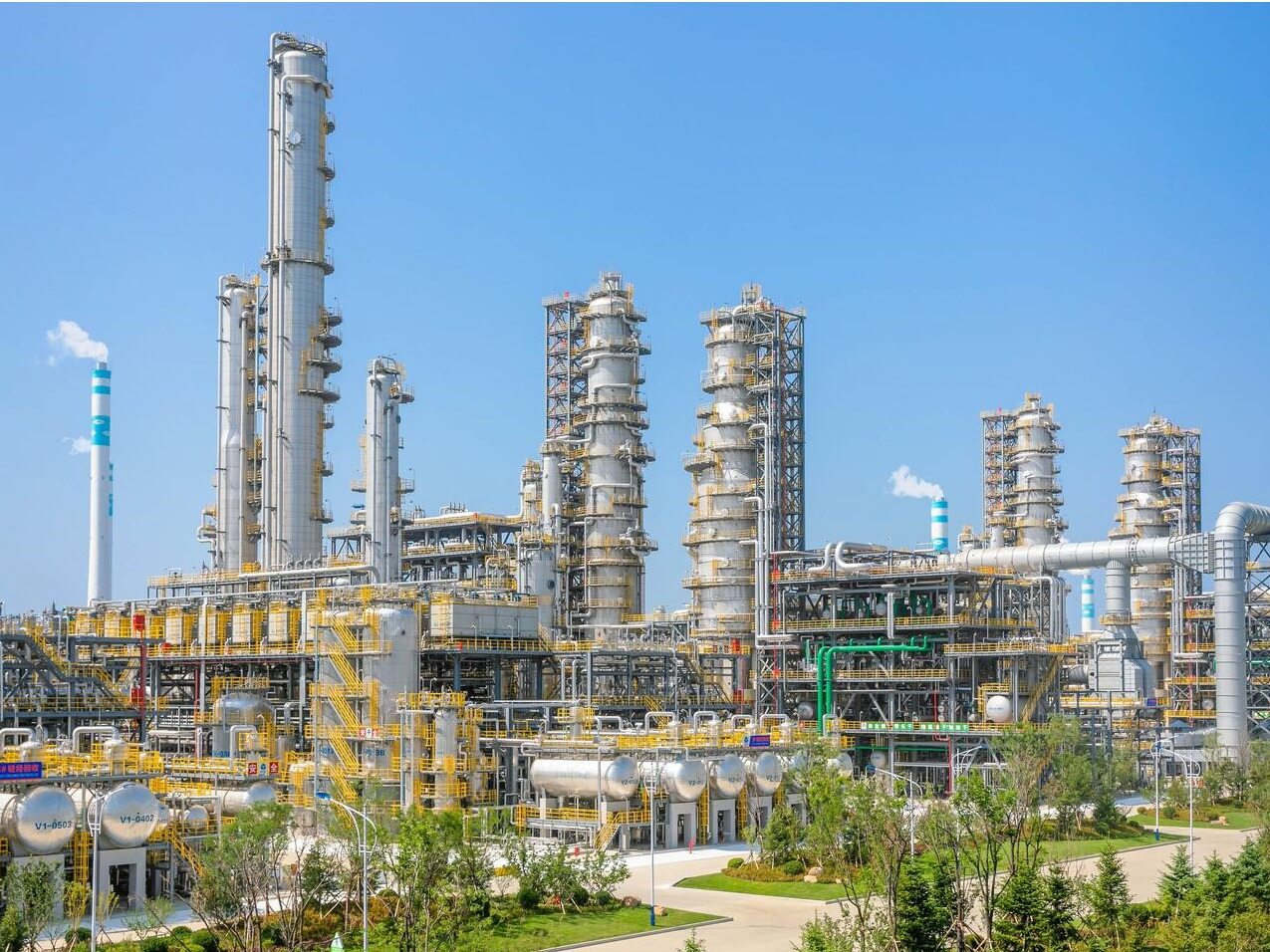
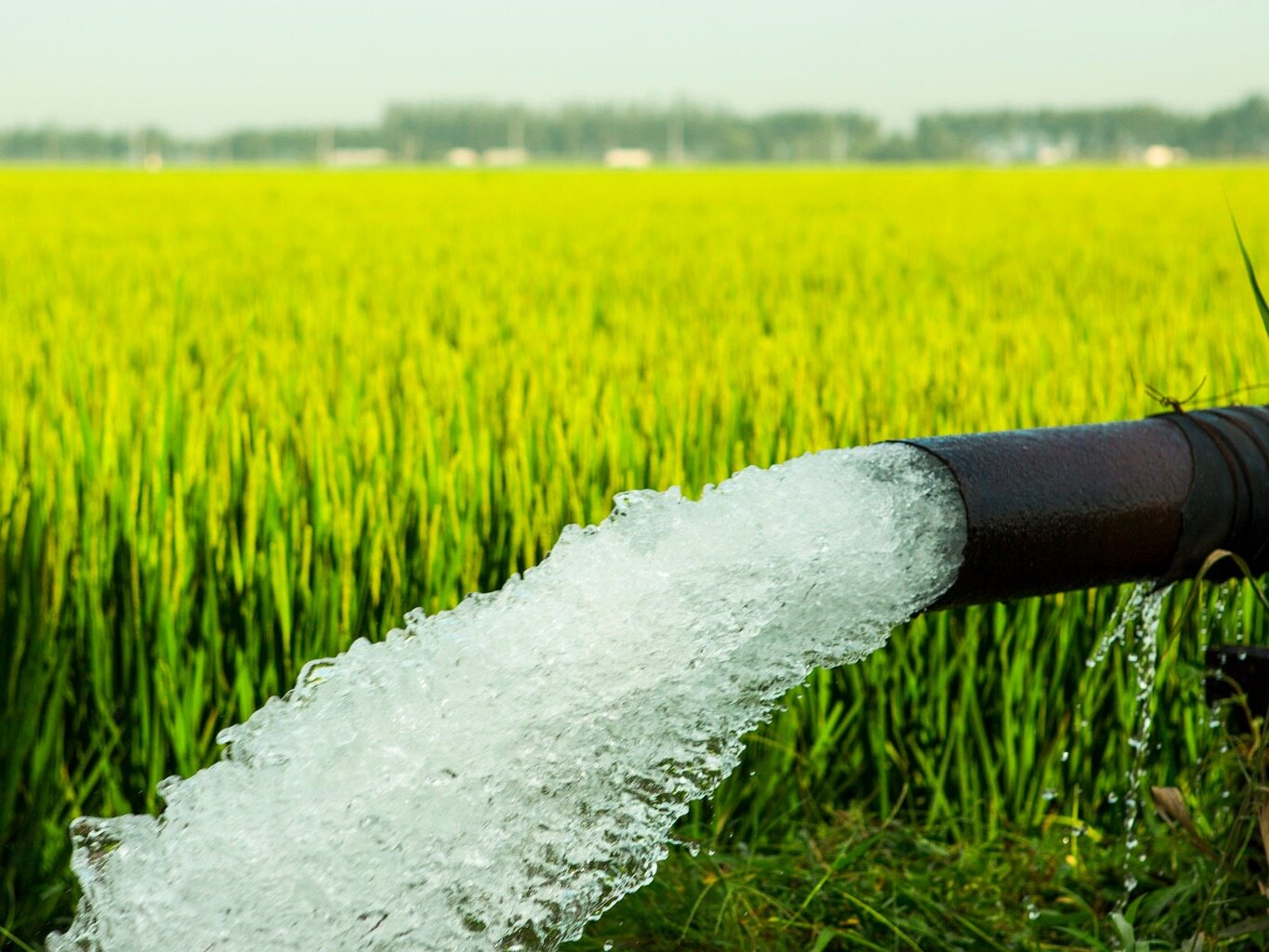
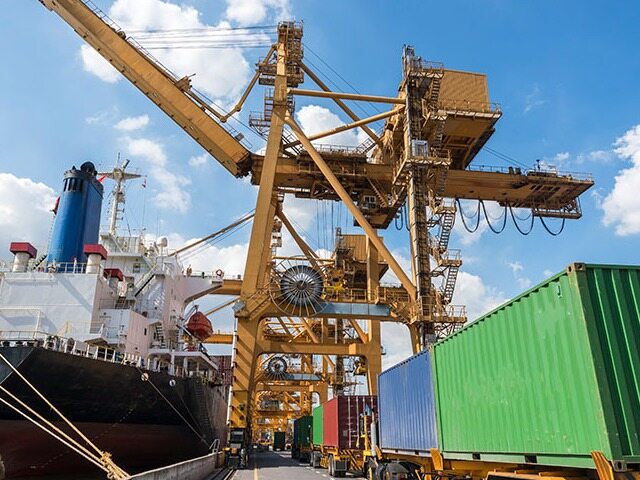
Looking at it separately, the energy sector has the highest proportion of investment demand, with a total scale of about 170 billion US dollars, covering multiple sub sectors such as traditional oil and gas processing, renewable energy development, and power grid upgrading. Transportation infrastructure follows closely behind, requiring a capital investment of 60 billion US dollars, irrigation and water supply facilities correspond to 14 billion US dollars, and the logistics system needs 7 billion US dollars to fill the gaps.
Previously, the Eurasian Development Bank had collaborated with multiple international institutions to obtain a joint financing of 2.9 billion US dollars and landed natural gas pipeline, airport, and highway projects worth a total of 7.5 billion US dollars. It has explored a mature path for multilateral joint investment landing.
Innovation track becomes the next wave of investment focus
In addition to traditional infrastructure, the Eurasian Development Bank has also identified key investment directions for the next wave, including energy storage, artificial intelligence technology, robotics technology, aerospace development, and climate change adaptation related projects.
This also breaks the stereotype of Central Asia being driven solely by natural resources. The proportion of young and digitally active population in the local area continues to increase, and the construction of Uzbekistan's digital ecosystem has grown rapidly. Cross border channels such as the China Kyrgyzstan Uzbekistan railway are gradually being opened up, coupled with the policy orientation of regional green and low-carbon transformation. Central Asia is shifting from a single resource export destination to a long-term investment hotspot driven by innovation and accelerated industrialization. Keywords: Central Asia, investment in core areas
With the continuous improvement of multilateral financing mechanisms and the implementation of cross regional connectivity projects, the investment value of this region will be further released.Editor/Cheng Liting
Comment




 Praise
 Collect
 Comment

 Share
Share


Write something~